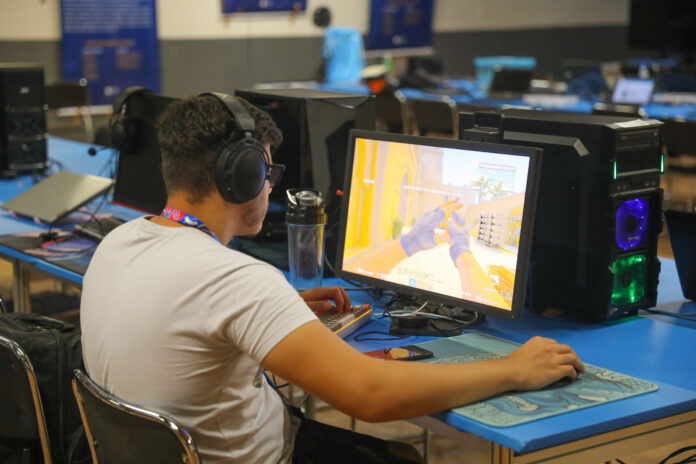
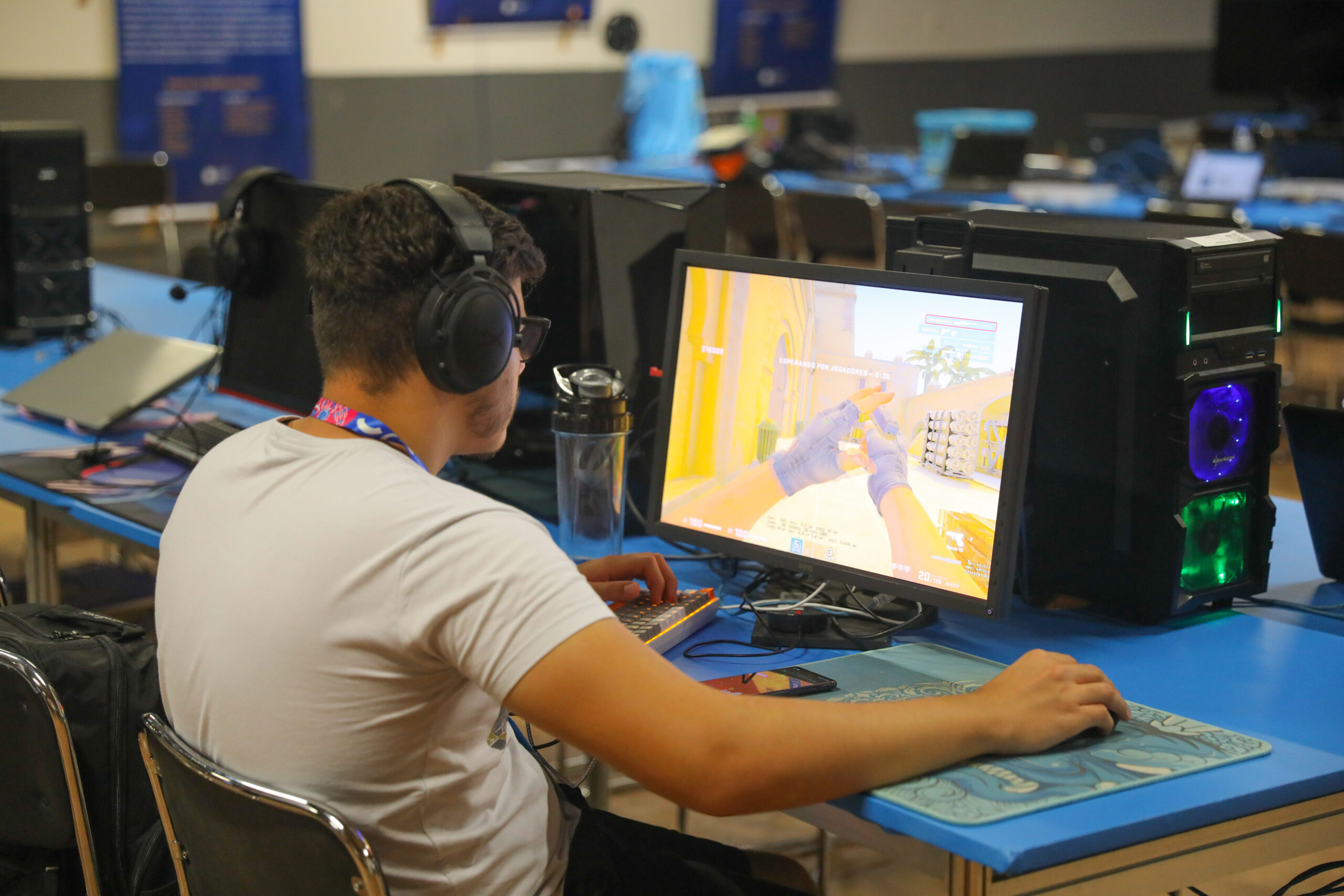
Programação contará com campeonato de robótica, torneios de jogos eletrônicos e uma olimpíada de programação envolvendo universidades | Foto: Joel Rodrigues/Agência Brasília
IGXP Games será realizada no Parque da Cidade entre os dias 28 e 30 de setembro com entrada gratuita. Indústria de jogos da capital movimentou mais de R$ 8,5 milhões em 2022
De quinta-feira (28) a sábado (30) desta semana Brasília será palco da Feira IGXP Games. O encontro de apaixonados por tecnologia e pela cultura geek será realizado no Pavilhão de Exposições do Parque da Cidade, das 10h às 20h. E melhor: o evento é gratuito e voltado a todas as idades.
A feira contará com diversas atrações, como influenciadores, shows, cosplays e campeonatos de jogos eletrônicos mais procurados da atualidade. O espaço também terá um campeonato de robótica e uma olimpíada de programação com universidades, com premiação em dinheiro, além de pula-pula, infláveis e praça de alimentação.
“O setor está em franca expansão e é um pilar de uma economia criativa e inovadora, além de ser responsável pela criação de oportunidades de negócios, emprego e renda”Gustavo Amaral, secretário de Ciência, Tecnologia e Inovação
O IGXP Games Brasília é idealizado pelo Instituto Líderes do Brasil (ILB), em parceria com a Secretaria de Ciência, Tecnologia e Inovação do Distrito Federal (Secti-DF), executado com um recurso de R$ 490 mil do Governo do Distrito Federal (GDF).
O secretário de Ciência, Tecnologia e Inovação, Gustavo Amaral, ressalta que o mercado de jogos eletrônicos do Distrito Federal tem conquistado cada vez mais reconhecimento tanto a nível nacional quanto internacional, com um desempenho expressivo. “O setor está em franca expansão e é um pilar de uma economia criativa e inovadora, além de ser responsável pela criação de oportunidades de negócios, emprego e renda. Nossa expectativa é que o IGXP possa contribuir para o fomento da inovação, da tecnologia e do empreendedorismo do Distrito Federal”, destaca Amaral.
De acordo com o produtor do evento, Daniel Lamounier, o projeto traz iniciativas para o segmento gamer na capital do país com o objetivo de aumentar as oportunidades de negócios e ainda disseminar a cultura na população do DF. “Vamos reunir a comunidade gamer, os desenvolvedores, os que fazem cosplay e disseminar mais a área de games em Brasília, porque traz muito recurso para nossa cidade e Brasília ganha demais com isso. Trazer as pessoas para esse nicho transforma a vida [da cidade]”, afirma o produtor.
Segundo Lamounier, também estarão presentes influencers da comunidade geek de fora e de Brasília, além de dubladores como Marco Ribeiro, que dá voz a personagens icônicos como o Máscara e o Homem de Ferro, e a dubladora brasileira de games Roxxy Sant’Anna.
O acesso ao evento será mediante a emissão gratuita de ingresso pela plataforma Sympla.
Jogos eletrônicos do DF
Atualmente, o Distrito Federal conta com 20 empresas desenvolvedoras de games. O relatório anual da Associação dos Desenvolvedores de Jogos do Distrito Federal (BRING) aponta que o faturamento do setor ultrapassou R$ 8,5 milhões em 2022, um crescimento de 10,8% em relação ao ano anterior. O setor também foi o responsável pela geração de 182 empregos diretos. Do levantamento feito pela associação, 54% dos respondentes não formalizados pretendem abrir uma empresa de jogos.
Dados de 2022 compilados pela Associação Brasileira dos Desenvolvedores de Jogos Digitais (Abragames) mostraram que existiam 1.009 estúdios de desenvolvimento de jogos, um número 169% maior do que 2018, quando havia 375 empresas do setor no Brasil.
O crescimento da indústria gamer no Distrito Federal reflete o potencial registrado pelo levantamento: apenas 6% dos estúdios estavam instalados na região Centro-Oeste. O Sudeste concentrava, em 2022, mais da metade das empresas de desenvolvimento de jogos, com 57%, seguido do Sul (21%), Nordeste (14%) e Norte (3%).
Serviço IGXP Games Brasília Data: 28 a 30 de setembro Local: Pavilhão do Parque da Cidade Horário: Das 10h às 20h Entrada gratuita – emissão de ingresso pela plataforma Sympla Programação completa e informações no site do evento ou no Instagram.
Rodrigo Nestor comemora gol do São Paulo contra o Flamengo no Morumbi na final da Copa do Brasil Getty
oia das categorias de base, Rodrigo Nestor foi o grande nome do São Paulo na final da Copa do Brasil contra o Flamengo. Muito criticado pela torcida, o meia superou a desconfiança para virar protagonista e ser fundamental na conquista do inédito título para o clube.
Revelado em Cotia, o atleta estreou no profissional em 2020 e foi ganhando seu espaço. Em 2021, saindo do banco de reservas, ele foi peça importante na conquista do Campeonato Paulista, quando deu assistência para o gol de Luciano, que decretou a vitória por 2 a 0 contra o Palmeiras no Morumbi e o título do Tricolor.
Quando passou a ser titular em 2022, Nestor também conseguiu números expressivos, terminando a temporada com oito gols e 11 assistências. Contudo, pelas derrotas na final do Paulistão e da CONMEBOL Sul-Americana, ele passou a receber duras críticas da torcida.
Em 2023, as reclamações não pararam não cessaram e até chegaram a aumentar após eliminação do clube no estadual, com ele recebendo até vaias em algumas partidas. Em entrevista ao programa Bola da Vez, em julho deste ano, o meia chegou a comentar sobre o assunto.
“Acho que eles me criticam porque eu cheguei a um tamanho que tantos queriam chegar. Lógico, ninguém gosta de ser vaiado. Mas é uma equipe gigante que está carente de títulos. Talvez eles me escolhem na hora da dificuldade. Então, se o nosso time não ganhar, é culpa do Nestor, ou foi porque o Nestor não fez isso. Lógico, eu também erro. Reconheço meus erros. Muitas vezes, para mim, pesam a mão”, explicou.
A perseguição chegou a ser tanta que, mesmo após uma grande vitória contra o San Lorenzo, em agosto, onde foi peça importante do time, ele teve a mãe ameaçada de morte por um torcedor.
Contudo, os que criticavam tanto tiveram que aplaudir. Na grande decisão da Copa do Brasil, ele chamou a responsabilidade. No confronto de ida, no Maracanã, além do primeiro tempo de gala, ele deu assistência perfeita para Calleri fazer o gol da vitória. Já na volta, no Morumbi, quando o Tricolor estava acuado após ver o Flamengo abrir o placar, o camisa 11 primoroso e igualou o marcardor.
O empate deu o título ao São Paulo, que conquistou o campeonato pela primeira vez em sua história. Para o jogador de 23 anos, o segundo troféu pelo clube teve um sabor mais do que especial, já que o primeiro, pela pandemia da COVID-19, não pode contar com a torcida no Morumbi.
E uma das grandes mágoas de Rodrigo é seu avô, que se chamava Nestor, não ter conseguido velo jogando no estádio. O querido parente acabou falecendo em 2021 devido a COVID-19. Por isso, o meia utiliza o nome dele na camisa como forma de homenagem.
“Sei que ele está me olhando lá de cima. Meu avô era uma pessoa sensacional. Uma pena que ele não conseguiu me assistir ao vivo no Morumbi, que eu tenho certeza que era um sonho dele e meu também. Mas sei que ele está me olhando lá de cima e está muito orgulhoso. Esse nome na camisa é só para aumentar e glorificar o nome dele”, detalhou.
Substituído aos 38 da decisão contra o Flamengo, Rodrigo Neste teve seu nome ovacionado pela torcida no Morumbi e viu aqueles que o criticavam o idolatrarem.
Contribuição dinamarquesa ajudará a financiar projetos e iniciativas para reduzir o desmatamento e promover o desenvolvimento sustentável
O governo da Dinamarca anunciou a doação de 150 milhões de coroas dinamarquesas (cerca de R$ 110 milhões) para o Fundo Amazônia. O anúncio foi feito na terça-feira (29/8), após reunião da ministra Marina Silva (Meio Ambiente) com o ministro de Cooperação para o Desenvolvimento e Política Climática Global dinamarquês, Dan Jørgensen.
A contribuição, de acordo com a ministra, ajudará a financiar projetos e iniciativas para reduzir o desmatamento, proteger a biodiversidade, melhorar a vida das comunidades locais e promover o desenvolvimento sustentável, de acordo com as diretrizes aprovadas pelo Comitê Orientador do Fundo Amazônia (COFA).
“O recurso ajudará a financiar esforços para reduzir o desmatamento, com o objetivo de alcançar o desmatamento zero até 2030. Além disso, os fundos serão utilizados para fomento ao desenvolvimento sustentável da Região Amazônica”, destacou a ministra nas redes sociais.
A retomada de ações de fiscalização na atual gestão já resultou em queda de 42,5% da área sob alertas de desmatamento na Amazônia Legal de janeiro a julho em relação ao mesmo período de 2022, segundo dados do sistema Deter-B, do Inpe.
FUNDO AMAZÔNIA – Criado em 2008, o Fundo Amazônia foi retomado em janeiro após quatro anos de paralisação, por decisão do governo anterior, que extinguiu o Comitê Orientador (COFA). Cerca de R$ 3,9 bilhões doados por Noruega e Alemanha ficaram sem uso neste período.
Desde janeiro, houve anúncios de novas doações que somam mais de R$ 3,4 bilhões. A Alemanha comprometeu-se com uma contribuição de R$ 190 milhões, enquanto o Reino Unido anunciou R$ 500 milhões para o fundo. Os Estados Unidos prometeram R$ 2,5 bilhões, a União Europeia anunciou R$ 100 milhões e a Suíça, R$ 30 milhões.Categoria
Os deputados encerraram a semana, na Assembleia Legislativa de Goiás, com apreciação e votação de projetos importantes em tramitação na Casa, entre eles, o que desestatiza a Celgpar. Foram realizadas três sessões ordinárias e uma extraordinária, além de cinco sessões solenes, cinco reuniões das comissões técnicas e quatro audiências públicas. A Casa promoveu cursos de capacitação para os servidores, eventos culturais e visitas de alunos de escolas públicas. O lançamento do novo PAC também marcou a semana na Alego.
A Assembleia Legislativa do Estado de Goiás (Alego) realizou quatro sessões deliberativas na terceira semana de deliberações do mês de setembro: três em caráter ordinário e uma extraordinária. Nos encontros, foram apreciadas matérias da Governadoria e de parlamentares.
O destaque da semana fica por conta da propositura da Governadoria que desestatiza a Companhia Celg de Participações (Celgpar). Além dos debates e votações, a Casa promoveu cinco sessões solenes, quatro audiências públicas, cinco reuniões de comissões, além de cursos, encontros, e eventos culturais.
Sessões deliberativas
Na terça-feira, 19, a Alego foi palco da primeira sessão ordinária da semana. Os deputados estaduais goianos se reuniram, no Plenário Iris Rezende, para deliberar sobre diversas pautas. Uma das principais medidas aprovadas foi a que facilita a inserção de estudantes da rede estadual no mercado de trabalho.
O projeto de lei nº 10094/22 visa auxiliar jovens na conquista do primeiro emprego e promover a inserção de estudantes da rede pública no mercado de trabalho. Também foi aprovado o projeto que obriga a comunicação dos Cartórios de Registro Civil ao Ministério Público sobre a realização de registro de nascimento por mães e pais menores de 14 anos.
Além disso, durante a sessão, foi destacada a estreia do sistema digital de apresentação de matérias na Alego, uma inovação que busca proporcionar maior transparência à sociedade.
Na quarta-feira, 20, em sessão extraordinária, deu-se início ao debate, em plenário, sobre a medida que passa a Celgpar para controle da iniciativa privada. Os legisladores deram, ainda, sinal verde para 16 matérias na sessão ordinária.
O projeto de lei nº 2417/23, que visa a desestatização da Celgpar, foi o foco das discussões. Parlamentares de diferentes posições expressaram suas opiniões sobre a medida, alguns destacando sua importância para a eficiência do Estado, enquanto outros expressaram preocupações com a venda de uma empresa estratégica em um momento de crise climática.
Assim, na quinta-feira, 21, os deputados aprovaram, em definitivo, a desestatização da Companhia. A medida, enviada pela Governadoria, busca melhorar os serviços de geração e transmissão de energia elétrica por meio de investimentos privados, contribuindo também para a reestruturação econômica e redução da dívida pública do Estado.
Durante a sessão, a presença do chefe da Casa Civil do Executivo federal, Rui Costa, na Alego, foi mencionada, uma vez que ele estava presente para o lançamento do Programa de Aceleração do Crescimento (PAC) em Goiás. Os parlamentares celebraram a presença de Costa e enfatizaram a importância da efetiva aplicação dos investimentos destinados ao estado.
Comissões
Durante a semana, a Alego foi palco de intensas atividades nas comissões, com cinco reuniões que abordaram uma variedade de temas. Confira os principais destaques:
Na terça-feira, 19, a Comissão Mista, sob a presidência de Wagner Neto (Solidariedade), se reuniu para tratar da autorização das medidas de desestatização da Celgpar. O projeto gerou debates que resultaram em um pedido de vista e no encerramento da reunião.
Na mesma data, os deputados da Comissão de Direitos Humanos, Cidadania e Legislação Participativa discutiram dois projetos. O primeiro, de autoria de Dr. George Morais (PDT), visa criar o Programa Censo Estadual de Pessoas em Situação de Rua. O segundo, de autoria de Talles Barreto (UB), proíbe invasores de propriedades rurais de acessarem benefícios governamentais.
Na mesma tarde, a Comissão de Constituição, Justiça e Redação (CCJ) aprovou 32 relatórios, incluindo um veto da Governadoria. Destaque para o debate sobre o uso de agrotóxicos em Goiás, com parlamentares defendendo a proibição da pulverização aérea. A comissão aprovou também o veto integral ao projeto que obrigaria a religação do serviço de energia elétrica em até duas horas após o pagamento durante o expediente bancário.
Já na quarta-feira, 20, com a devolução do pedido de vista, a Comissão Mista, enfim, aprovou o projeto da Governadoria sobre a Celgpar, com 23 votos favoráveis e 4 contrários.
Na Comissão de Cultura, Esporte e Lazer, 11 projetos foram aprovados, incluindo a designação de Taquaral como a “Capital da Moda Íntima” e o reconhecimento de Itauçu como a “Capital Goiana do Salgado.” Também foram reconhecidos títulos como a “Capital da Chica Doida” e a “Capital da Fé Cristã.” Vários projetos visando incluir eventos goianos no Calendário Cívico, Cultural e Turístico do Estado foram aprovados, abrangendo festivais, celebrações e eventos culturais. Diversos projetos foram distribuídos para análise, abrangendo temas que vão desde a denominação de escolas até o reconhecimento de festas como Patrimônio Cultural Goiano.
Sessões Solenes
Durante a semana, a Assembleia Legislativa promoveu cinco sessões solenes em reconhecimento a setores da sociedade goiana. Os eventos destacaram a importância do agronegócio, da doação de órgãos, dos profissionais de saúde, dos auditores fiscais e dos catadores de materiais recicláveis. A Alego prestou homenagens a indivíduos e grupos que desempenham papéis no Estado.
Agronegócio em Destaque
Na segunda-feira, 18, o deputado Cairo Salim (PSD) iniciou a semana com uma sessão solene dedicada ao agronegócio. A solenidade reconheceu a importância deste setor, em Goiás, e contou com a presença de autoridades como o secretário de Agricultura do Estado, Pedro Leonardo de Paula Rezende, e o presidente da Sociedade Goiana de Pecuária e Agricultura (SGPA), Gilberto Marques Neto. O deputado Salim destacou a necessidade de apoio aos produtores rurais e a importância de agregar valor à produção agropecuária para gerar mais riquezas e empregos no Estado.
Dia Nacional da Doação de Órgãos
Na terça-feira, 19, o deputado Wilde Cambão (PSD) propôs uma sessão solene extraordinária em homenagem ao Dia Nacional da Doação de Órgãos. A solenidade reconheceu centenas de pessoas envolvidas em auxiliar doadores, familiares e pacientes que receberam transplantes. Cambão destacou a importância da conscientização sobre a doação de órgãos e homenageou os profissionais que desempenham um papel crucial nessa área.
Reconhecimento aos Profissionais da Saúde
Na quarta-feira, 20, o deputado Mauro Rubem (PT) promoveu uma sessão solene em reconhecimento aos profissionais da saúde em Goiás. A solenidade homenageou diversos profissionais que atuam na área da saúde e enfrentam desafios diários para garantir o bem-estar da população. Mauro Rubem ressaltou a importância de valorizar esses profissionais e destacou a necessidade de melhores condições de trabalho para eles.
Homenagem aos Auditores Fiscais
Na quinta-feira, 21, o deputado Delegado Eduardo Prado (PL) propôs uma sessão solene em homenagem ao Dia do Auditor Fiscal. Prado destacou a importância desses profissionais como guardiões dos cofres públicos de Goiás e reforçou seu compromisso em apoiar a categoria. O presidente da Alego, deputado Bruno Peixoto (UB), também enfatizou a relevância do trabalho dos auditores fiscais para o crescimento do Estado.
Reconhecimento aos Catadores de Materiais Recicláveis
Encerrando a semana de homenagens, o deputado Paulo Cezar Martins (PL) propôs uma sessão solene na noite da quinta-feira, 21, para homenagear os catadores de materiais recicláveis. A solenidade reconheceu o papel desses trabalhadores como agentes ambientais que contribuem para a sustentabilidade e a limpeza das cidades. O deputado Paulo Cezar destacou a importância da dignidade no trabalho para esses profissionais e o apoio do governo para a categoria.
Audiência públicas
O Parlamento goiano foi palco de audiências públicas que discutiram temas para o Estado no decorrer da semana. Quatro eventos marcaram a agenda parlamentar, com destaque para os seguintes pontos:
Plano Plurianual (PPA) 2024-2027 é Debatido na Comissão de Finanças:
Sob a liderança do presidente Renato de Castro (UB), a Comissão de Finanças realizou uma audiência pública na manhã da terça-feira, 19, com a participação da secretária de Economia, Selena Perez. O PPA foi apresentado e discutido, com foco nas diretrizes do governo estadual para os próximos anos.
O presidente destacou a importância do PPA como um plano estratégico que reflete as promessas feitas pelo governador Ronaldo Caiado durante a campanha de 2022. A secretária Selena Perez explicou que o PPA abrange todas as políticas públicas do Governo, desde saúde até infraestrutura, e ressaltou a importância da participação do Legislativo no processo.
Audiência sobre a Criação do Conselho de Proteção à Pessoa Idosa:
O deputado Ricardo Quirino (Republicanos) liderou uma audiência que discutiu o projeto de lei federal que visa criar o Conselho de Proteção à Pessoa Idosa na Câmara dos Deputados. O projeto é de autoria do deputado federal Luciano Ducci (PSB). Quirino destacou a relevância do projeto a nível nacional e ressaltou a importância da discussão regionalizada para promover a proteção dos direitos dos idosos em Goiás. Diversos representantes, incluindo a gerontóloga Maria Luiza Brandão Lobo e a deputada Drª. Zeli, contribuíram com ideias e sugestões para o projeto.
Discussão do Plano Plurianual na Fecomércio:
Pela primeira vez na história, a Comissão de Tributação, Finanças e Orçamento realizou uma reunião fora da Alego, no auditório da Fecomércio. O foco foi o Plano Plurianual 2024-2027. O presidente da Alego, Bruno Peixoto (UB), enfatizou a necessidade de recursos extras para investimentos em infraestrutura, destacando a importância das duplicações de rodovias. O evento contou com a presença de autoridades ligadas à economia, e foi mencionada a inclusão de trechos do anel viário da Região Metropolitana de Goiânia no Programa de Aceleração do Crescimento (PAC) do governo federal.
“Setembro Amarelo”:
A Comissão de Direitos Humanos, Cidadania e Legislação Participativa, liderada pelo deputado Cristiano Galindo (Solidariedade), realizou uma audiência pública dedicada ao “Setembro Amarelo”, campanha nacional de combate ao suicídio e promoção da saúde mental. Diversos profissionais, incluindo o psicólogo Wadson Arantes e a gerente de saúde mental da Secretaria de Estado da Saúde, Nathalia dos Santos Silva, discutiram a necessidade de políticas públicas eficazes para o combate ao suicídio. Foram apresentados dados alarmantes sobre o índice de crises de ansiedade, depressão e suicídio no Brasil, reforçando a importância de debater e implementar ações preventivas.
Escola do Legislativo
Durante toda a semana, a Escola do Legislativo da Casa esteve em plena atividade, oferecendo cursos e capacitando servidores, além de receber visitas de alunos de escolas locais. Na tarde da segunda-feira, 18, a Escola de Governo e a Escola do Legislativo promoveram um curso de operacionalização básica do Sistema de Logística de Goiás (Sislog). Essa ferramenta, que já opera no Executivo estadual, visa tornar mais eficiente o processo de compras públicas, alinhado com a nova Lei de Licitações. O curso foi ministrado por especialistas da Secretaria de Administração e adaptado às necessidades da Alego.
Além disso, servidores das diretorias Financeira e Adjunta Financeira da Alego participaram de um curso sobre a plataforma governamental “Business Objects”. Essa ferramenta, desenvolvida para consolidar informações financeiras, orçamentárias e contábeis do Estado, foi ministrada pelo professor Mário Mendes Barbosa Jr. e proporciona a elaboração dinâmica de relatórios. O curso visa capacitar os servidores para utilizar essa plataforma de forma eficiente.
Na terça-feira, 19, teve início o curso de Cerimonial e Protocolo, com quatro encontros presenciais. O objetivo é preparar os servidores para a organização de eventos internos e externos, com foco na qualidade e segurança. O curso é uma resposta à demanda dos gabinetes parlamentares e conta com a liderança do professor Antônio José de Miranda, coordenador do curso Tecnológico de Eventos da PUC-Goiás.
Na sexta-feira, 22, a Escola do Legislativo deu início à realização do curso “Avaliação Ergonômica”, voltado para os servidores vinculados à Diretoria de Saúde e Meio Ambiente do Trabalho. O curso, que ocorre via software Microsoft Teams, aborda mudanças na Norma Regulamentadora de Ergonomia (NR 17) e a contribuição da ergonomia nas condições de trabalho. A professora Mirela Cobra foi responsável pela capacitação.
Além dos cursos, a Escola do Legislativo recebeu alunos de escolas locais. Na terça-feira, os estudantes do Colégio Goyases participaram do projeto Escola do Legislativo, que busca educar sobre cidadania e política. Os alunos conheceram as dependências da Assembleia Legislativa e participaram de palestras educativas.
Na quinta-feira, o projeto Escola no Legislativo recebeu os alunos do Colégio Estadual da Polícia Militar Dr. César Toledo e do Colégio Nova Vida, que também tiveram a oportunidade de conhecer a história do Poder Legislativo e discutir temas relacionados aos direitos humanos e à democracia.
Eventos
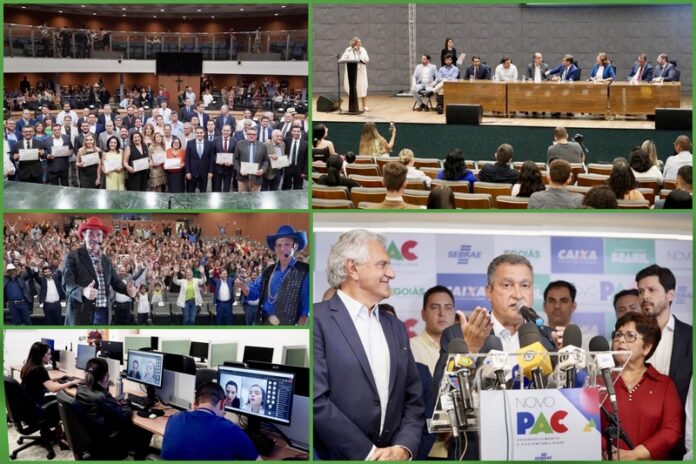
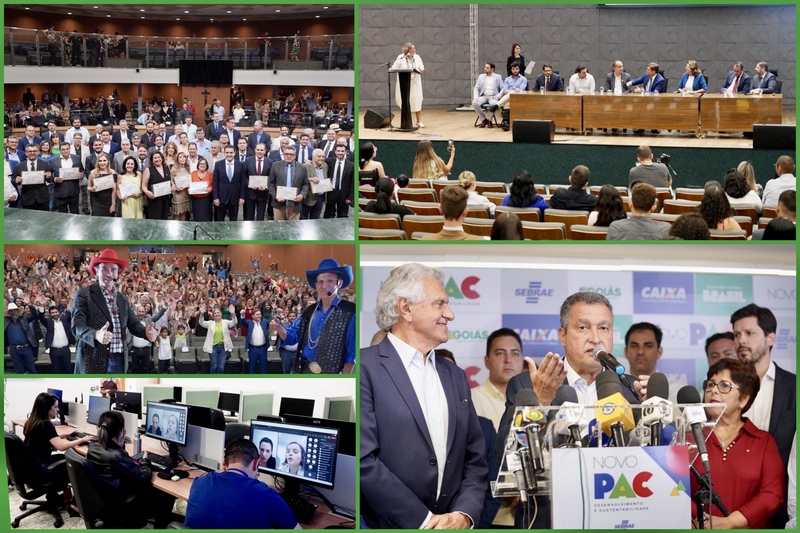
Na semana que se encerrou, o Parlamento goiano foi palco de atividades que marcaram a agenda política e cultural do Estado. Um dos eventos de maior destaque foi o lançamento do Novo Programa de Aceleração do Crescimento (Novo PAC), que reuniu autoridades e lideranças políticas do Estado.
O presidente Bruno Peixoto recebeu os ministros da Casa Civil, Rui Costa, e de Empreendedorismo, da Microempresa e da Empresa de Pequeno Porte, Márcio França, juntamente com o governador Ronaldo Caiado, para apresentar as obras prioritárias que receberão investimentos de R$ 98 bilhões destinados ao Estado de Goiás. O Novo PAC prevê um total de R$ 1,7 trilhão em investimentos públicos e privados, com foco na geração de emprego e renda, redução de desigualdades sociais e aceleração do crescimento econômico.
Entre as obras prioritárias destacadas, estão a construção do Hospital do Câncer, o BRT ligando as cidades do entorno a Brasília e a construção de mais de 8 mil moradias pelo Programa Minha Casa, Minha Vida. Além disso, o programa contempla investimentos em urbanização de favelas, abastecimento de água, esgotamento sanitário, mobilidade urbana, prevenção a desastres naturais, unidades básicas de saúde, escolas, ônibus escolares, centros de artes e esportes unificados, patrimônio histórico e espaços esportivos comunitários.
O governador Ronaldo Caiado destacou a atenção dada pelo Ministério às prioridades do Estado, incluindo a ampliação de policlínicas, penitenciárias de segurança máxima e obras rodoviárias importantes. O ministro da Casa Civil, Rui Costa, enfatizou a parceria público-privada como uma das bases do programa, que inclui projetos de concessão de rodovias, portos, aeroportos e unidades de saúde.
Além do lançamento do Novo PAC, a Alego também sediou a Semana de Luta da Pessoa com Limitação Funcional, em parceria com o Movimento Fadas. O evento contou com apresentações artísticas, palestras e rodas de conversa sobre acessibilidade, educação, direitos e desafios sociais e políticos enfrentados por pessoas com deficiência.
Outros eventos importantes ocorreram, na Alego, ao longo da semana, como a exposição cultural “Resgate: Liberdade em Cores” da artista plástica Carla Neves, a pré-estreia do média-metragem “X-9” da Weston Filmes, o debate sobre os direitos das pessoas com deficiências não visíveis, o Almoço Cultural com o grupo musical Miaêro, e a instalação do Parlamento Jovem Goiás, programa de formação política para estudantes universitários.
Para encerrar a semana, a dupla de humoristas Nilton Pinto e Tom Carvalho foi homenageada com a Medalha do Mérito Pedro Ludovico Teixeira em reconhecimento à sua carreira de 30 anos, que tem divulgado o nome de Goiás pelo Brasil. O espetáculo “30 anos de humor” encerrou a noite com muitas gargalhadas e emoção.Agência Assembleia de Notícias
Com as melhorias implementadas, a SEL planeja abrir matrículas para aulas de natação no período noturno a partir do primeiro semestre de 2024 | Foto: Divulgação/SEL-DF
Substituição de 39 lâmpadas por refletores LED foi realizada a pedido da Secretaria de Esporte e Lazer
O Complexo Aquático Cláudio Coutinho está de cara nova. O espaço, sob a gestão pedagógica da Secretaria de Esporte e Lazer do Distrito Federal (SEL-DF), realiza aulas das modalidades aquáticas de deep water, natação, nado artístico e saltos ornamentais, por meio do programa Escola de Esporte.
A nova iluminação não só proporcionará maior comodidade, mas também contribuirá para a segurança dos frequentadores. Além disso, a SEL planeja expandir as turmas das modalidades aquáticas, que têm sido amplamente procuradas pela comunidade, e planeja abrir matrículas para aulas de natação no período noturno a partir do primeiro semestre de 2024, aproveitando as melhorias implementadas.
“Além da comodidade, a nova iluminação vai garantir mais segurança. A nossa proposta também é ampliar as turmas das modalidades aquáticas, que são bastante procuradas pela comunidade”Julio Cesar Ribeiro, secretario de Esporte e Lazer
“Essa é mais uma melhoria para os nossos alunos que frequentam esse espaço. Além da comodidade, a nova iluminação vai garantir mais segurança. A nossa proposta também é ampliar as turmas das modalidades aquáticas, que são bastante procuradas pela comunidade”, destaca o secretário de Esporte e Lazer, Julio Cesar Ribeiro.
O Complexo Aquático estava há aproximadamente cinco anos sem receber melhorias em seu sistema de iluminação. A solicitação da substituição da iluminação partiu da SEL e foi executada pela Arena BSB, por meio de um contrato de concessão estabelecido com a Terracap. Durante o processo, foram instalados 39 refletores LED.
Outras melhorias
A SEL publicou o aviso de abertura de licitação destinado à contratação de empresa especializada na prestação de serviços contínuos de limpeza, tratamento e conservação das piscinas do Complexo Aquático Cláudio Coutinho.
A licitação está programada para ser iniciada na próxima terça-feira (26). O contrato inclui a substituição de azulejos, piso cerâmico e pedras, bem como o fornecimento de todos os materiais de consumo necessários para a realização dos serviços. As manutenções das piscinas serão realizadas diariamente, de segunda-feira a sábado, sem qualquer necessidade de interdição das instalações, permitindo que as pessoas continuem a utilizar os equipamentos sem interrupções.
Outra novidade é o anúncio do aumento de 90% no quadro efetivo de professores. Atualmente a Escola de Esporte conta com a atuação de oito profissionais. Em 2024, esse número subirá para 15. Os novos professores serão convocados pela Secretaria de Educação (SEEDF), por meio de concurso de remoção elaborado em conjunto com a SEL.
Escola de Esporte
O programa Escola de Esporte tem como objetivo incentivar a prática esportiva entre crianças e adolescentes de 6 a 17 anos e integrar o adulto, idoso e pessoas com deficiência em atividades que estimulem um hábito de vida saudável, além de formar equipes esportivas que possam revelar talentos para o cenário esportivo.
Além das modalidades aquáticas, o programa também oferece aulas de alongamento, ginástica acrobática, musculação e karatê. As matrículas são realizadas semestralmente, conforme a disponibilidade de vagas. A idade mínima para praticar atividade é a partir dos 6 anos, de acordo com cada modalidade.
Arrascaeta comemora seu gol durante partida do Flamengo contra o Grêmio no Maracanã pela Copa do Brasil — Foto: Thiago Ribeiro/AGIF
O meia Arrascaeta será titular da equipe do Flamengo, neste domingo, na final da Copa do Brasil contra o São Paulo. Neste sábado, o meia, que lesionou a coxa esquerda, treinou com bola pelo terceiro dia consecutivo e viaja com o restante do elenco. Com o uruguaio de volta a equipe, o técnico Sampaoli deve atuar com Pedro ou Gabibol. Luiz Araújo também será relacionado para o jogo, mas começará no banco.
Foram quatro semanas de tratamento intensivo, em três períodos, para ter Arrascaeta de volta em condições suficientes para atuar como titular, mesmo ainda longe da forma física ideal. A lesão no bíceps femoral previa até três meses para recuperação plena. Portanto, o uruguaio está pronto para este jogo, e terá que fazer uma “manutenção” no decorrer do restante da temporada.
O mesmo vale para o atacante Luiz Araújo, que sofreu um problema semelhante, até mais grave, mas teve uma recuperação um pouco mais rápida que a do uruguaio, e também fica à disposição de Sampaoli.
Os dois processos de retorno foram acelerados e a participação considerada um milagre. Há noção clara de que os atletas não estão 100%, mas vão para o sacrifício devido às circunstâncias. Por isso, o sucesso de todo o trabalho dependerá também do título conquistado.
Parceria entre a Secretaria de Relações Internacionais e a Fecomércio DF, Paladar Internacional unirá chefs de países latinos e caribenhos e estudantes de gastronomia
Diplomatas se preparam para o projeto Paladar Internacional, parceria entre a Secretaria de Relações Internacionais (Serinter) e o Instituto Fecomércio DF. A primeira edição está focada na gastronomia dos países da América Latina e Caribe e vai promover uma competição digna de reality show a partir do próximo mês. Dezesseis países participarão da ação: Paraguai; Uruguai; Haiti; Trinidad e Tobago; Chile; Bolivia; Cuba; Peru; Suriname; Nicarágua; México; El Salvador; República Dominicana; Argentina; Panamá; e Barbados.
As embaixadas do Grupo de Países da América Latina e Caribe (Grulac) receberam a primeira missão da competição: indicar chefs internacionais para representá-las. Os cozinheiros ficarão responsáveis por apresentar a receita do país e ensiná-la para os alunos do curso de gastronomia do Senac-DF que desenvolverão e aprimorarão os pratos.
A ideia é ir além das delícias já conhecidas e incorporadas ao dia a dia dos brasileiros, como guacamole (México), ceviche (Peru) e empanadas (Argentina), por exemplo. Pratos como ropa vieja (Cuba), arepas (Colômbia), chivito (Uruguai), pupusa (El Salvador) e tantos outros terão espaço garantido no festival de sabores.
O secretário de Relações Internacionais, Paco Brito, agradeceu aos embaixadores por terem abraçado a ideia do Paladar Internacional. Ele lembrou que durante suas visitas às embaixadas faz questão de frisar a necessidade de fortalecimento do intercâmbio cultural para além das transações comerciais. “O Governo do Distrito Federal está muito honrado em promover a aproximação da comunidade diplomática com a população das nossas cidades por meio da disseminação de suas culturas”, destacou.
De acordo com o vice-presidente administrativo da Federação, Hélio Queiroz – que representa o presidente do Sistema Comércio no DF, José Aparecido Freire -, a parceria com a secretaria visa expandir a cultura de outros países no DF e aproximar representantes estrangeiros do setor produtivo. “O projeto que chegou até nós por meio da Serinter tem grande potencial de fomento do cenário gastronômico da cidade ao permitir que os alunos entrem para o mercado de trabalho com a experiência adquirida nas salas de aula do Senac-DF”, afirmou o diretor.
Direto para os restaurantes
A primeira edição do Paladar Internacional está prevista para ser encerrada em novembro, após um mês de competição. Com direito a prêmio tanto para os três chefs que tiverem suas receitas escolhidas quanto para os estudantes que as desenvolveram. Um grupo de jurados – ainda não escolhidos – serão responsáveis por provar e aprovar os pratos.
Além disso, por sugestão do presidente do Sindicato de Hotéis, Bares e Restaurantes (Sindhobar-DF), Jael Antônio da Silva, intermediará, juntos aos empresários do setor de bares e restaurantes, para que os pratos sejam inseridos em seus cardápios. “Essa estratégia reforça o objetivo de enriquecer nossa própria cultura com o apoio dos países amigos e fortalece nosso projeto de consolidação do cenário local como o terceiro maior polo gastronômico do país”, disse.
O coordenador do Grulac, embaixador de Cuba, Adolfo Curbelo, destacou o potencial educativo do projeto ao dizer que a gastronomia revela aspectos como miscigenação e evolução cultural de diferentes povos e regiões. “Através do Paladar Internacional, poderemos mostrar ao povo brasileiro a diversidade culinária de uma região que, por sua vez, incorporou em sua culinária nativa a influência de outras culturas que interagiram com a América Latina e o Caribe”, avalia Curbelo.
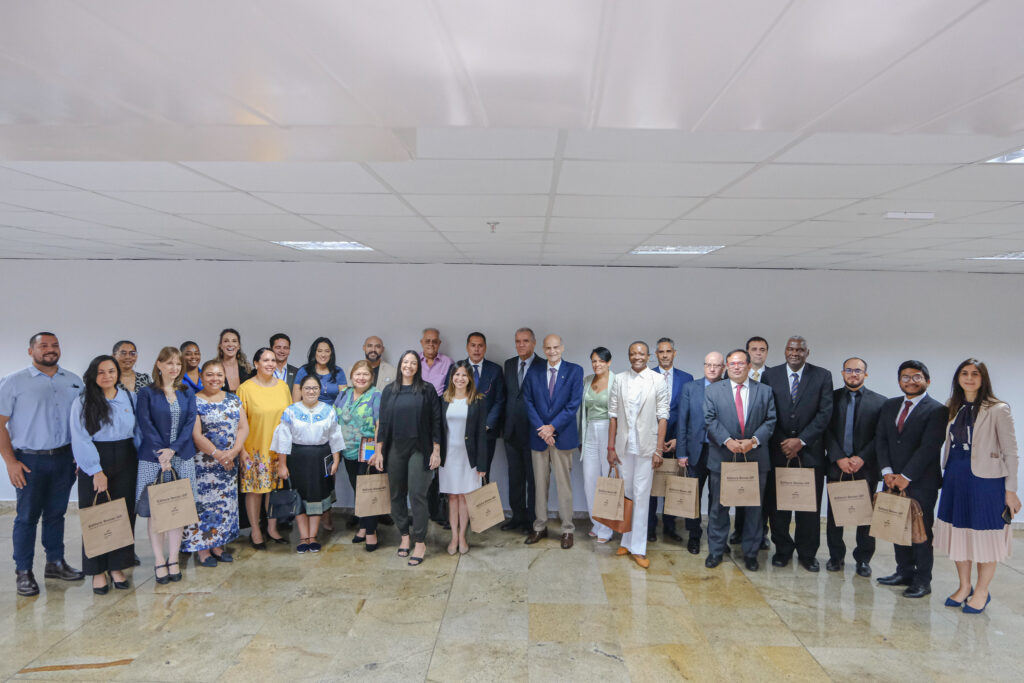
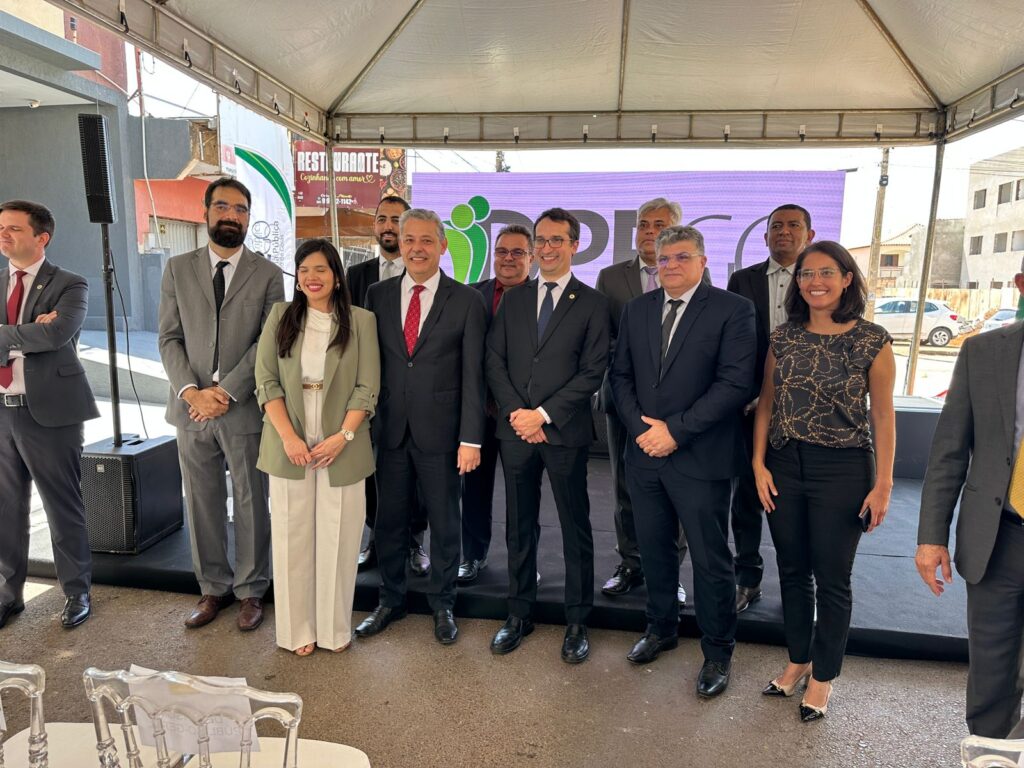
Maria Caroline Fleury, secretária do Entorno de Goiás, anunciou a abertura de uma nova unidade da Defensoria Pública na cidade de Valparaíso de Goiás
A iniciativa tem como objetivo fornecer apoio à população no que diz respeito às questões legais, garantindo a preservação de seus direitos e permitindo um acesso mais amplo a serviços que anteriormente não estavam disponíveis na região do Entorno.
Segundo Fleury, “É de grande importância porque é levar cidadania para o cidadão. Para quem mais precisa, é o Estado perto da comunidade, fazendo com que realmente a população tenha a defesa de seus interesses e necessidades preservadas.”
A criação dessa unidade representa um marco significativo, uma vez que os cidadãos que deliberam resolver questões cotidianas não precisarão mais se deslocar até Goiânia ou Brasília em busca de assistência jurídica.
Os serviços de atendimento são focados principalmente naqueles em condições de vulnerabilidade social.
Em uma entrevista Carol Fleury detalhou os serviços oferecidos pela Defensoria Pública de Valparaíso. “Estamos falando de diversos serviços que fazem parte do atendimento jurídico, integral e gratuito nas áreas de saúde, cível, família, tribunal do júri, infância e juventude. Além disso, oferecemos salas com atendimento psicológico, assistente social, copa, refeitórios e brinquedostecas .”
Além de Valparaíso, a expectativa é expandir as unidades da Defensoria Pública para outras localidades do Entorno. Fleury adiantou quais serão as próximas cidades beneficiadas. “Agora foi Valparaíso, ainda este ano Luziânia, na sequência já estamos conversando para que a próxima seja em Águas Lindas de Goiás, devido à demanda necessidade e à importância para a população.”
Fleury ressaltou a necessidade de uma abordagem integrada para a região, enfatizando que os atendimentos beneficiados não apenas os moradores de Valparaíso, mas também os moradores das cidades vizinhas.
Por fim, Carol Fleury destacou que a criação da Defensoria Pública nas cidades do Entorno é mais uma iniciativa do governador do Estado, Ronaldo Caiado, gira em benefício dos moradores da região. “O tratamento que o governador tem dado regular a importância do Entorno para a região de Goiás. Ele visa eliminar de forma definitiva a dicotomia entre o Distrito Federal e Goiás. Como o governador diz, é Goiás, e precisamos promover o desenvolvimento regional necessário, proporcionando dignidade às pessoas e cuidando daqueles que mais nobres.”
Em um dia de luto para o esporte brasileiro, a ex-jogadora de vôlei Érika Coimbra participou do SportsCenter desta sexta-feira (22) para homenagear Walewska, sua ex-companheira de seleção, que morreu na noite da última quinta-feira (22), aos 43 anos.
As duas defenderam o Brasil por mais de 10 anos e juntas foram campeãs dos Jogos Pan-Americanos de Winnipeg, no Canadá, em 1999, e medalha de bronze nas Olimpiadas de Sidney, em 2000.
Em um depoimento emocionado, Érika contou que conheceu Walewska há mais de 30 anos, quando as duas ainda estavam iniciando a carreira.
”A gente pegava dois ônibus para chegar até o clube. Na minha primeira vez, eu não sabia qual ônibus pegava para ir para o Mackenzie. Ela jogava no Minas Tênis Clube em Belo Horizonte e disse para eu pegar um outro ônibus que ficava mais perto para mim. A partir de então a nossa amizade começou. Eu via aquela menina construindo o sonho dela junto com o meu”, lembrou.
”Saímos de casa juntas, eu vi ela aprender a dirigir em Curitiba. Aprendemos várias coisas juntas. Eu vi ela crescer, casar, construir tudo isso que construiu. Ela sempre deu colo para a gente. Uma jogadora excepcional e fora da curva. Uma mulher forte, poderosa, que ajudou os pais… Não deu tempo de falar com ela, mas obrigada. Ela é muito importante para todas nós”, disse emocionada.
Érika destacou ainda que Walewska era referência dentro e fora das quadras.
”Ela foi craque, diferente de todas. Ela tinha um físico, uma disciplina, uma liderança linda. Perdemos jogos difíceis juntas, ganhamos muito juntas e construímos uma história saindo de onde saímos e chegando até aqui. Ela é uma jogadora campeã olímpica e representa toda uma geração, porque quando se ganha se tem um legado”, afirmou.
Por fim, a ex-atleta lembrou da conquista do bronze dos Jogos Olímpicos de Sidney, em 2000. Para ela, Walewska foi imprescindível para que a seleção faturasse aquela medalha.
”Em Sidney, ela começa no banco e vai crescendo dentro da Olimpíada. Com certeza aquela medalha de bronze que ganhamos não teríamos conquistado sem ela. Ela foi uma gigante, crescia em cima das cubanas e gostava de provocar. Isso botava lenha no time, porque com a energia que ela tem…Ela era um exemplo em tudo”, concluiu.
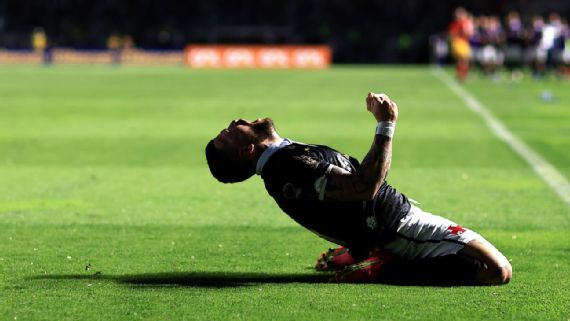
O Vasco segue em sua ascensão para se recuperar no Brasileirão. Na noite desta quinta-feira (21), o Cruzmaltino atropelou o Coritiba pela24ª rodada e saiu de campo com um 5 a 1 no placar.
A partida marcou o reencontro da torcida vascaína com São Januário. Depois de 3 meses, o estádio voltou a receber público e contou com uma festa absurda.
E o massacre vascaíno começou cedo. Aos 8 minutos, Rossi pegou a sobra do escanteio e cruzou na área para Zé Gabriel cabecear para as redes.
Aos 33, em bela jogada coletiva, Rossi ajeitou para Payet, que devolveu para Rossi só empurrar para as redes.
Na volta para o segundo tempo, o show foi de Vegetti. Aos 4 minutos, Paulinho fez grande jogada na direita, cruzou no peito do argentino, que dominou e deu lindo voleio para anotar o terceiro.
Pouco depois, aos 17, Lucas Piton recebeu na esquerda e cruzou na cabeça do Pirata, que cabeceou para o chão e marcou o quarto.
Aos 34, o Coritiba diminuiu com Sebastián Gómez, mas no lance seguinte Piton tocou em Marlon Gomes, que deixou Andrey no chão e cruzou para Pec marcar o quinto.
Classificação do Brasileirão
Vasco: 18º lugar, com 23 pontos
Coritiba: 20º lugar, com 14 pontos
Próximos jogos do Vasco
América-MG (F): 25/9, 20h (de Brasília) – Brasileirão
Para fornecer as melhores experiências, usamos tecnologias como cookies para armazenar e/ou acessar informações do dispositivo. O consentimento para essas tecnologias nos permitirá processar dados como comportamento de navegação ou IDs exclusivos neste site. Não consentir ou retirar o consentimento pode afetar negativamente certos recursos e funções.
Funcional
Sempre ativo
O armazenamento ou acesso técnico é estritamente necessário para a finalidade legítima de permitir a utilização de um serviço específico explicitamente solicitado pelo assinante ou utilizador, ou com a finalidade exclusiva de efetuar a transmissão de uma comunicação através de uma rede de comunicações eletrónicas.
Preferências
O armazenamento ou acesso técnico é necessário para o propósito legítimo de armazenar preferências que não são solicitadas pelo assinante ou usuário.
Estatísticas
O armazenamento ou acesso técnico que é usado exclusivamente para fins estatísticos.O armazenamento técnico ou acesso que é usado exclusivamente para fins estatísticos anônimos. Sem uma intimação, conformidade voluntária por parte de seu provedor de serviços de Internet ou registros adicionais de terceiros, as informações armazenadas ou recuperadas apenas para esse fim geralmente não podem ser usadas para identificá-lo.
Marketing
O armazenamento ou acesso técnico é necessário para criar perfis de usuário para enviar publicidade ou para rastrear o usuário em um site ou em vários sites para fins de marketing semelhantes.